4 Advanced Driver-Assist Features Built Into Every 2026 Honda Accord
August 07 2026,
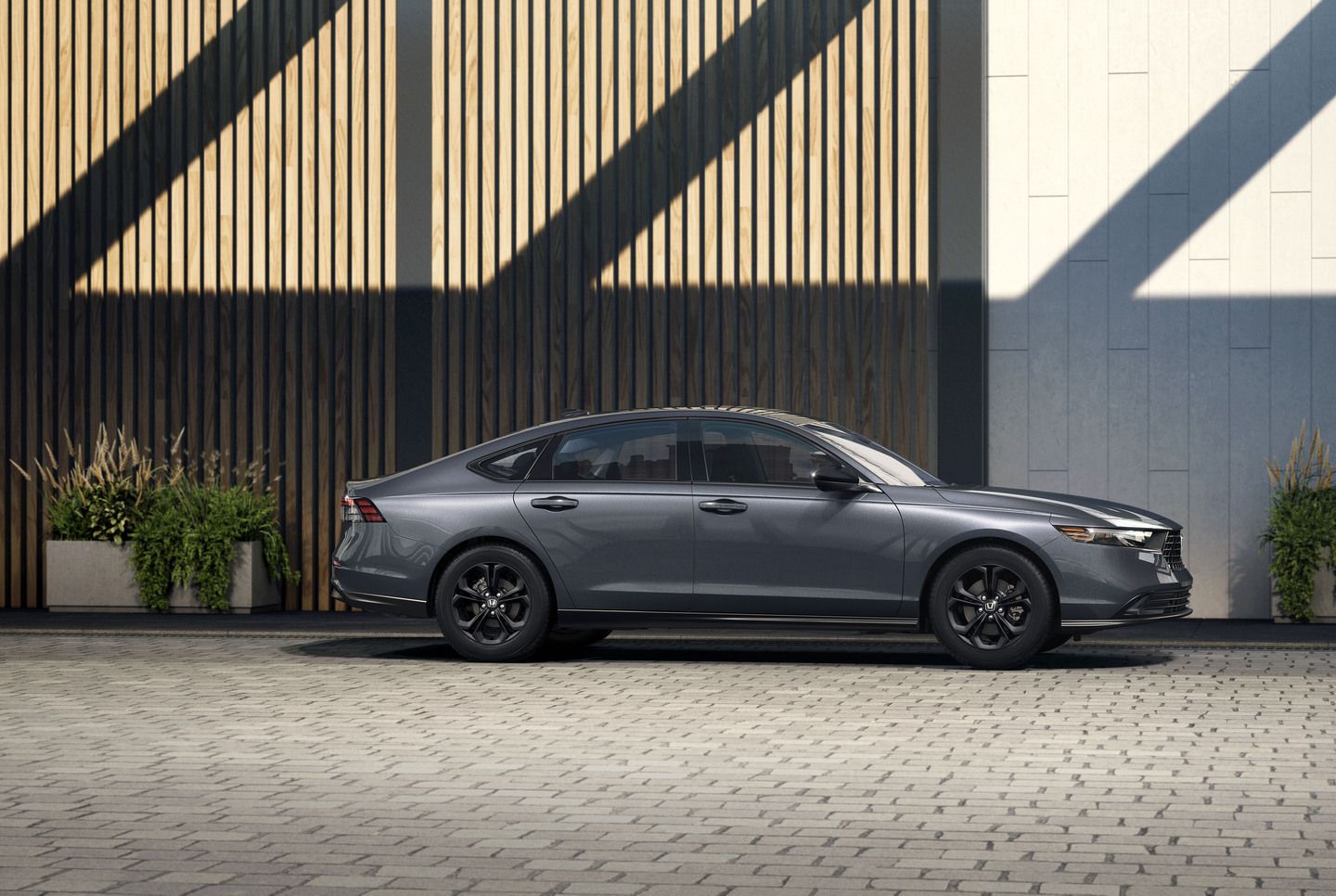
Quebec roads mix tight city blocks with long stretches of autoroute, and the two demand different kinds of attention. The 2026 Honda Accord comes with a full driver-assist suite built into every trim, so that shift between city and highway doesn’t mean a shift in support.
This suite is called Honda Sensing. Rather than list every acronym, it helps to group the systems by what they actually do for you behind the wheel: watching for collisions, keeping you centred in your lane, managing your following distance, and keeping you aware of the road around you.
What Honda Sensing Actually Is
Honda Sensing is the name for the Accord’s standard suite of driver-assistive technologies, and it comes on every 2026 Accord trim, from the turbocharged SE through the Sport-L Hybrid and Touring Hybrid. That standard-across-the-lineup point matters when you’re comparing trims: you aren’t paying more to get basic collision and lane support, since it’s already there on the base SE.
The suite includes Adaptive Cruise Control, Forward Collision Warning, Collision Mitigation Braking System, Lane Departure Warning, Lane Keeping Assist System, Road Departure Mitigation, Traffic Sign Recognition, and Blind Spot Information with Cross Traffic Monitor. Grouped by function, they fall into four jobs: collision avoidance, lane support, cruise support, and road awareness.
|
Function group |
What’s included |
Standard on |
|
Collision avoidance |
Forward Collision Warning, Collision Mitigation Braking System |
SE, Sport-L Hybrid, Touring Hybrid |
|
Lane support |
Lane Departure Warning, Lane Keeping Assist System, Road Departure Mitigation |
SE, Sport-L Hybrid, Touring Hybrid |
|
Cruise support |
Adaptive Cruise Control with Low-Speed Follow, Traffic Jam Assist |
SE, Sport-L Hybrid, Touring Hybrid |
|
Road awareness |
Traffic Sign Recognition, Blind Spot Information with Cross Traffic Monitor |
SE, Sport-L Hybrid, Touring Hybrid |
How Each System Works in Plain Language
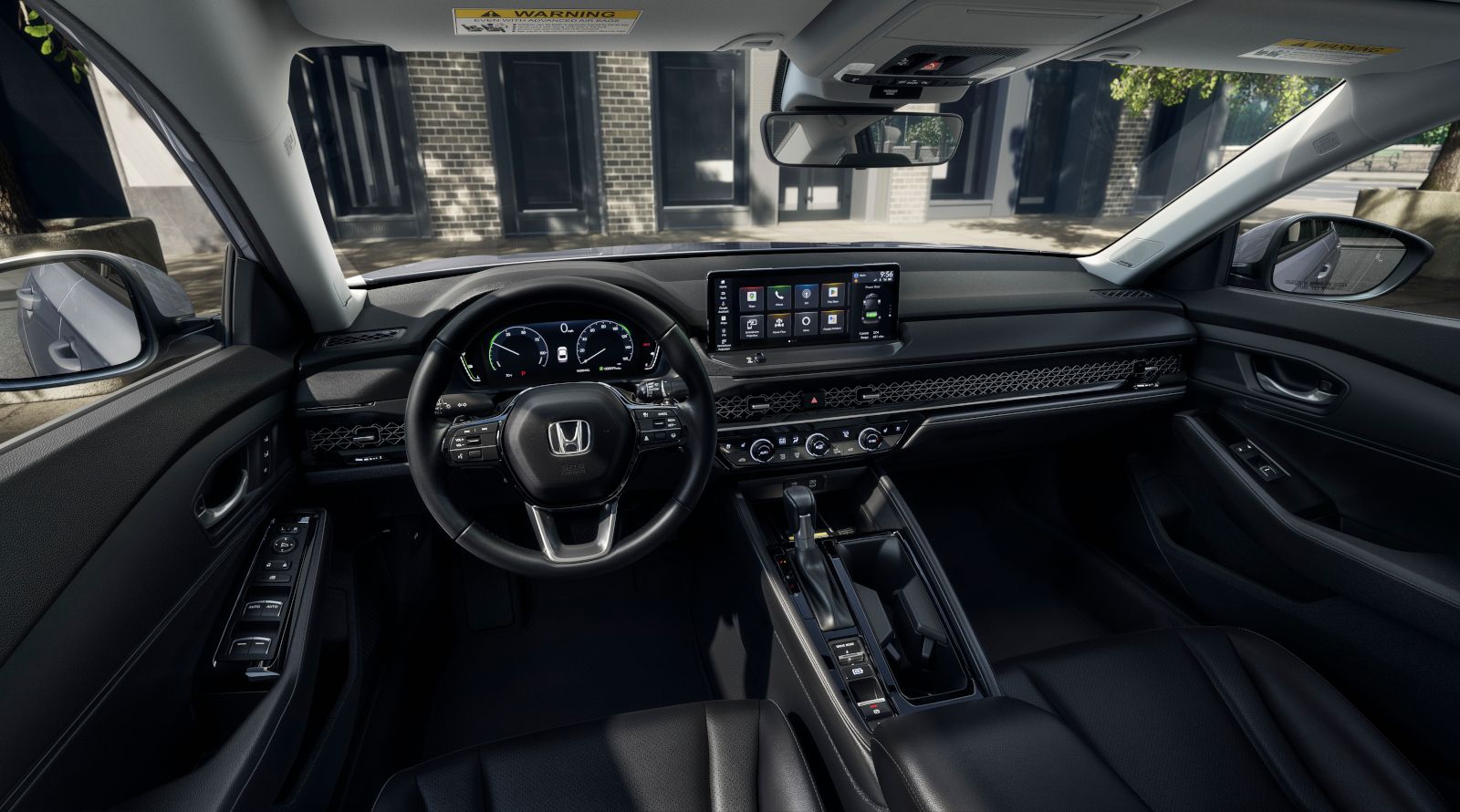
Adaptive Cruise Control adjusts your speed to the vehicle ahead automatically, closing gaps when traffic clears and slowing down when it doesn’t. Its Low-Speed Follow function keeps this working down to a stop, so it carries into congestion and stop-and-go commuting, not just open-highway driving.
Lane Departure Warning and Lane Keeping Assist System are related but distinct. Lane Departure Warning alerts you if you drift out of your lane without signalling. Lane Keeping Assist goes a step further, applying gentle steering input to help bring the car back toward the centre of the lane.
Forward Collision Warning flags a closing gap with the vehicle ahead before it becomes urgent, and the Collision Mitigation Braking System can apply braking support if a collision looks imminent and the driver hasn’t reacted. Traffic Sign Recognition reads posted speed limits and advisories and displays them, so a limit change registers even if you missed the sign itself.
Blind Spot Information watches the zones beside the car that mirrors alone don’t fully cover, while Cross Traffic Monitor checks for traffic approaching from the side when reversing out of a parking spot.
Why This Matters for Everyday Driving
On a divided highway or a long, monotonous commute, Lane Keeping Assist reduces the small, constant steering corrections that add up to fatigue over an hour or more behind the wheel. It’s a quiet system, working in the background rather than demanding attention.
In city traffic, the pairing of Forward Collision Warning and the Collision Mitigation Braking System addresses a different problem: the sudden stop you didn’t see coming, whether that’s a vehicle braking hard ahead or a pedestrian stepping out between parked cars.
Cross Traffic Monitor and Blind Spot Information do similar work for the everyday manoeuvres that cause most low-speed collisions: changing lanes on a busy boulevard or backing out of a crowded parking lot. None of these systems replace attentive driving, but together they close some of the gaps that attentive driving alone can miss.
Who Benefits Most
A driver splitting time between a downtown commute and regular autoroute trips gets the clearest value from this suite, since it covers both driving styles without needing to step up to a pricier trim. The Accord SE carries all eight systems as standard, which is worth knowing if you’re shopping on price and assumed you’d need to trade up for safety tech.
Commuters doing repetitive daily drives benefit from the fatigue reduction that Lane Keeping Assist and Adaptive Cruise Control provide together. Anyone who parks in tight downtown spaces or shopping-centre lots will notice Cross Traffic Monitor and Blind Spot Information the most, since parking lots are where these low-speed, low-visibility incidents tend to happen.
Standard Safety in Every 2026 Accord
The 2026 Honda Accord pairs its Honda Sensing suite with a lineup that starts at the turbocharged SE and runs through the Sport-L Hybrid and Touring Hybrid, each built on the same 11th-generation platform. Collision avoidance, lane support, cruise support, and road awareness come standard across all three, so the decision between trims comes down to powertrain and comfort features, not safety tech.
Visit Honda Centre-Ville in Montreal to see the 2026 Accord in person and ask our team to walk you through how Honda Sensing works on the road. Book a test drive to feel the adaptive cruise and lane support systems for yourself before deciding which trim fits your driving.