Honda Sensing Explained: The Safety Tech on Every 2026 Honda CR-V
October 23 2026,
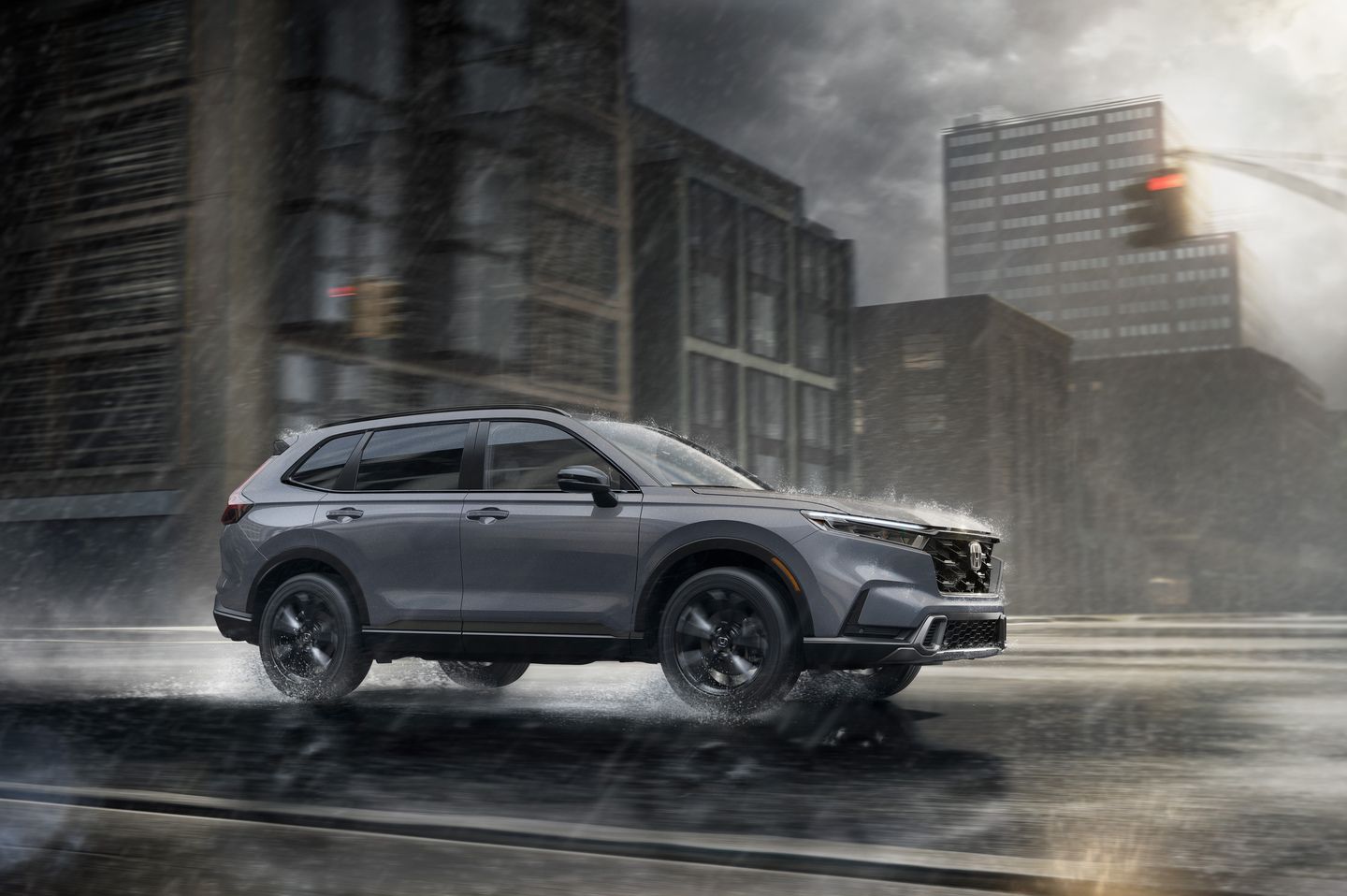
A new SUV brings a lot of new technology to learn at once. If you’re shopping the 2026 CR-V in Quebec, one of the first things worth understanding is Honda Sensing, the suite of driver-assist systems that comes with every trim.
This isn’t one gadget. It’s a collection of systems working together to help you stay aware, brake in time, and hold your lane, without taking over the job of driving.
What Honda Sensing Actually Is
Honda Sensing is the CR-V’s standard driver-assist and safety technology suite. It is standard across the 2026 CR-V lineup, from the LX up through the Touring Hybrid, so every buyer gets the same core protection regardless of trim.
The suite groups into a few jobs: watching the road ahead, watching your blind spots, keeping you centred in your lane, and helping you keep pace with traffic. None of it drives the car for you. It’s assistance, not autonomy.
How the System Works, Piece by Piece
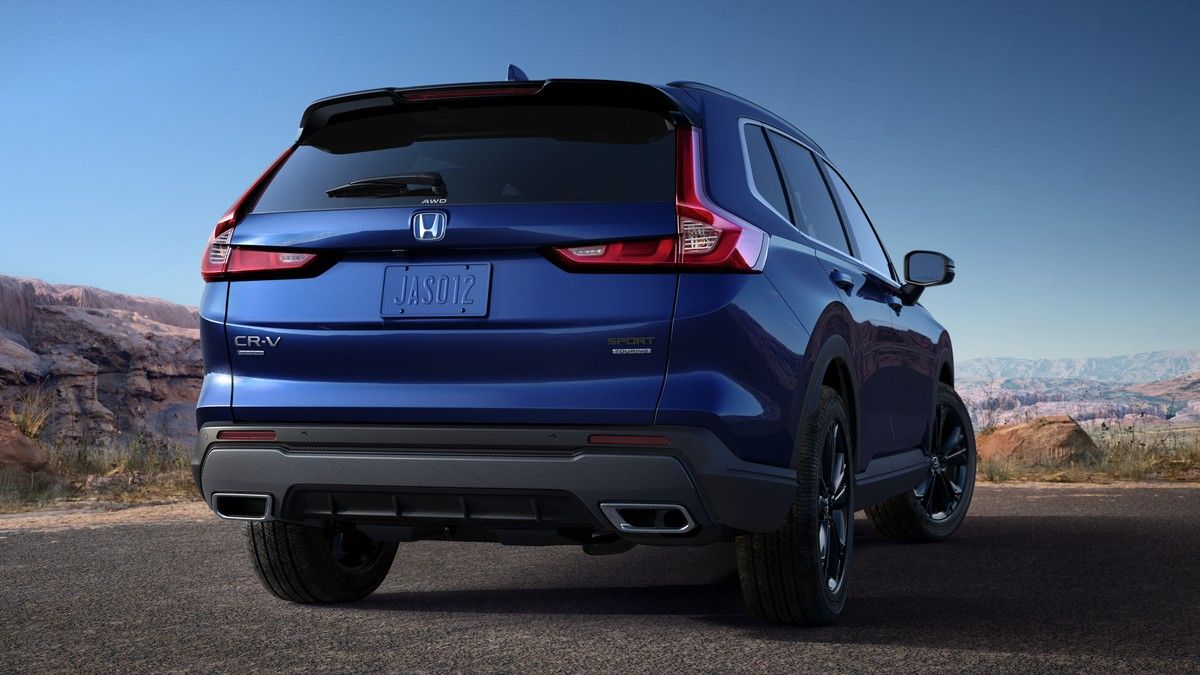
The easiest way to understand Honda Sensing is to separate it by what each piece actually does.
Collision avoidance support: The Collision Mitigation Braking System (CMBS) watches for a vehicle or obstacle ahead and can apply braking support if a collision looks likely. Road Departure Mitigation (RDM) helps if the CR-V starts to drift toward the road’s edge.
Lane support: Lane Departure Warning (LDW) alerts you if you drift out of your lane without signalling. Lane Keeping Assist System (LKAS) adds gentle steering support to help bring the CR-V back toward the centre of the lane.
Adaptive cruise support: Adaptive Cruise Control (ACC) adjusts your speed to maintain following distance from the vehicle ahead in changing traffic, and Traffic Jam Assist extends that support in slow-moving, stop-and-go conditions.
Traffic-sign awareness: The Traffic Sign Recognition (TSR) system reads posted signs and displays them, so speed limit changes don’t go unnoticed.
Blind-spot and traffic monitoring: The Blind Spot Information (BSI) system watches the lanes beside you, and Cross Traffic Monitor (CTM) helps when backing out of a spot with vehicles approaching from the side.
A quick way to keep these straight:
- Alerts, Lane Departure Warning, Traffic Sign Recognition, Blind Spot Information
- Braking support, Collision Mitigation Braking System, Road Departure Mitigation
- Steering support, Lane Keeping Assist System
- Speed-following assistance, Adaptive Cruise Control, Traffic Jam Assist
Why It Matters in Everyday Driving
Most of what Honda Sensing does is built for ordinary trips, not rare emergencies. Stop-and-go commuting, sudden braking from the car ahead, a moment of lane drift while checking a mirror: these are the situations the suite is built to support.
Adaptive Cruise Control and Traffic Jam Assist can ease the workload of holding a steady pace through congested traffic. Blind Spot Information and Cross Traffic Monitor add a second layer of awareness in parking lots, where sightlines are often blocked by parked vehicles.
Honda Sensing is built for mixed road conditions generally. It isn’t marketed as a winter-specific system, so treat it as everyday support rather than a substitute for slowing down and increasing following distance when roads are slick.
Active safety systems like Honda Sensing work alongside the CR-V’s passive protection: the Advanced Compatibility Engineering (ACE) body structure, 10 standard airbags, and seat belt reminders at every seating position. One group helps you avoid a collision; the other protects you if one happens anyway. A safety-minded shopper should weigh both, not just the driver-assist headline.
Who Benefits Most
Commuters navigating heavy traffic gain the most from Adaptive Cruise Control and Traffic Jam Assist, since both reduce the constant speed adjustments stop-and-go driving demands. Families cross-shopping their first larger SUV will likely value the Blind Spot Information system and Cross Traffic Monitor most, since visibility around a bigger vehicle takes some adjustment.
First-time SUV buyers, meanwhile, tend to lean on Lane Keeping Assist System and Road Departure Mitigation early on, before the CR-V’s size and sightlines become second nature.
Questions Worth Asking Before You Buy

A few questions are worth resolving before you finalize a decision.
Is Honda Sensing standard, or does it require an upgrade? It’s standard across every 2026 CR-V trim, so it isn’t a reason to move up the lineup.
Can you override the systems? Adaptive Cruise Control and Lane Keeping Assist can be adjusted or turned off through on-screen controls, and braking or steering support can be overridden by driver input.
Does it replace attentive driving? No. Every system here is described as assistance, and none of it is designed to drive the CR-V without the driver’s attention.
Which features matter most for your commute? Adaptive Cruise Control and Traffic Jam Assist suit highway and congested-traffic driving; Blind Spot Information and Cross Traffic Monitor suit parking-lot manoeuvring.
What should you test on a drive? Ask to feel Adaptive Cruise Control hold a following distance, watch for a Blind Spot Information alert changing lanes, and note how Lane Keeping Assist responds on a curve.
Making Honda Sensing Part of Your Decision
A standard safety suite across every trim means the 2026 CR-V doesn’t ask a Quebec shopper to pay more to get the full Honda Sensing package. That alone is a reason it belongs on a short list for commuters, families, and first-time SUV buyers alike.
Visit Honda Centre-Ville in Montreal to test Honda Sensing in real traffic conditions, and ask the team to walk you through how each alert and assist function responds behind the wheel.