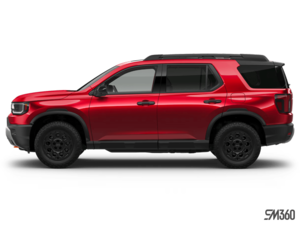
How Does the 2026 Honda Passport’s Cabin Deliver More Room for Passengers and Gear?
August 14 2026,
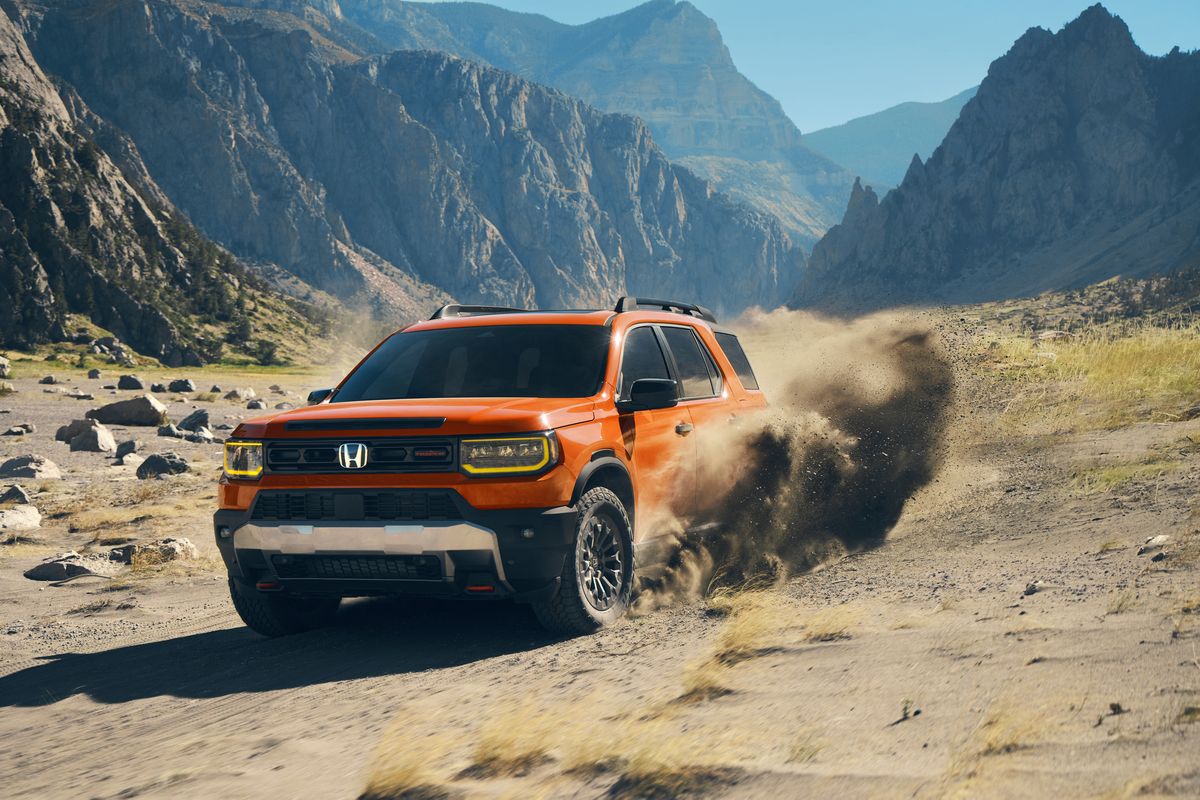
A midsize SUV earns its keep in the everyday moments: fitting two adults comfortably in the back, swallowing a week’s worth of grocery bags, and keeping the tech simple enough that nobody fumbles with menus at a red light. Quebec shoppers comparing five-seat SUVs should know what the 2026 Honda Passport’s cabin actually delivers before they set foot in a showroom.
Why The Passport Belongs On Your Shortlist
The 2026 Passport skips a third row entirely, and that is the point. Every inch that would have gone toward a cramped back bench instead goes into passenger room and cargo space for the five people who actually ride in the vehicle.
Rear-seat legroom grew by 33 mm over the previous generation, and cargo space behind the front row now reaches 2,356 L, an increase of 156 L. For a household that needs real space for people and gear without paying for seats nobody uses, that trade-off is the whole appeal.
The cabin also carries a 3.5 L V6 producing 285 hp and 262 lb-ft of torque, paired with a 10-speed automatic and standard AWD. It is not the article’s focus, but it means the Passport can handle a loaded cabin and a full cargo area without feeling strained on the highway.
Cabin Strengths That Matter Day To Day
The Passport’s five-passenger layout is where most of its practical wins live. Here is what stands out for daily use:
- Rear legroom, hip room, and shoulder room built for adults: 1,039 mm of second-row legroom, 1,458 mm of hip room, and 1,566 mm of shoulder room mean two adults in the back seat are not an afterthought.
- Cargo flexibility for mixed days: 1,246 L behind the rear seats expands to 2,356 L with the standard 60/40 split-folding rear seat down, covering everything from a full grocery run to bulky sports equipment in one trip.
- Everyday organization: two-tier door bins, a console bin sized for a full-size tablet, a multi-use tray ahead of the shifter for two phones side by side, and up to 10 cupholders, several sized for one-litre water bottles.
- Tech that stays out of your way: a 12.3-inch touchscreen with Google built-in, wireless Apple CarPlay and Android Auto, and a 10.2-inch digital driver display, so basic functions do not require digging through menus.
|
Cabin Spec |
Passport (2026) |
|
Rear-seat legroom |
1,039 mm |
|
Rear-seat hip room |
1,458 mm |
|
Rear-seat shoulder room |
1,566 mm |
|
Rear-seat headroom |
1,007 mm |
|
Cargo (rear seats up) |
1,246 L |
|
Cargo (rear seats folded) |
2,356 L |
|
Touchscreen |
12.3 in |
|
Digital instrument cluster |
10.2 in |

Seat material and comfort features shift by trim. The TrailSport uses cloth and vegan leather, while the TrailSport Touring and Touring Blackout move to perforated leather-trimmed seating. Heated front seats are standard across the lineup, and the Touring trims add ventilated front seats, integrated second-row sunshades, and heated outboard rear seats, worthwhile for anyone doing longer highway stretches across Quebec through changing weather.
Every trim’s driver seat gets 10-way power adjustment with two-way lumbar support and a two-position memory setting, so switching drivers does not mean resetting the whole seat each time.
Who The Passport’s Cabin Fits Best
The Passport’s five-seat-only layout is a deliberate fit for households that never need a third row: couples with one or two kids, empty nesters who still haul gear, or anyone who values passenger comfort over occasional extra seating.
If your typical week mixes a commute, school pickups, and weekend trips loaded with equipment or luggage, the 2,356 L of cargo space with the rear seats folded, combined with genuine adult-friendly rear seating, covers both jobs without compromise on either.
Shoppers who occasionally need to seat six or seven should look elsewhere. This cabin is built around doing five-passenger duty extremely well, not around flexible seating counts.
Making The Call On Cabin Space
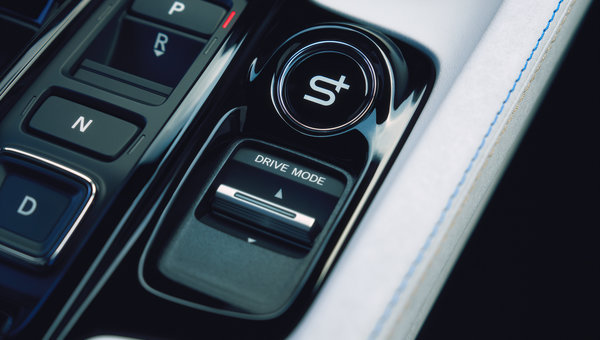
Seven drive modes, including Snow and Trail, extend the Passport’s usefulness through the seasons Quebec drivers actually experience, but the cabin is the reason most buyers will cross-shop this SUV in the first place.
The decision comes down to a simple question: does your household need three rows, or does it need a genuinely spacious, well-organized five-seat cabin? For the second group, the Passport’s rear-seat room, cargo flexibility, and straightforward tech layout answer that question directly.
Trim choice then becomes a comfort-and-materials call. The base TrailSport delivers the same passenger and cargo dimensions as the range-topping Touring Blackout; the difference is seat material, ventilation, and second-row sunshades, not space.
Seeing The Passport’s Cabin For Yourself
The 2026 Honda Passport pairs a five-passenger-only layout with expanded rear-seat room and cargo space that grows to 2,356 L, making it a strong fit for families and gear-heavy routines that do not need a third row.
Visit Honda Centre-Ville in Montreal to sit in the Passport’s second row, test the cargo area with your own gear, and compare trims with a sales consultant before you decide.